
Key Dates:
Early Registration Deadline:
August 15, 2019
Standard Registration Deadline:
September 4, 2019
Late/Onsite Registration Deadline:
from September 4, 2019
Accommodation Deadline:
August 11, 2019
Contact Details
IEEE 2018 Wireless Interim Meeting Managers
MTG Events Pty Ltd
address
Sydney, Australia
P: +61 2 9057 9072
802wireless@mtgevents.com.au
Sightseeing
Vietnam is a fascinating and beautiful country, but seeing it can be a bit challenging if you try and do it on your own. Navigating domestic flights, trains and accommodations is not as easy as it is in other parts of the world. The best way to take the worry out of it and really experience what the country has to offer, in a no hassle way, is to use a local tour organizer.

To that end, I had the good fortune to meet up with Viet Nguyen several years ago. Viet has an extensive network and can organize tours from 1 day to multiple days throughout Vietnam, Cambodia, Laos, and Thailand. Included in these tours is a car and driver, a dedicated guide speaking your language, local accommodations, domestic flights and/or trains, and many of the meals. Vietnam is a bargain and these tours are incredibly affordable. I have now done three in Vietnam, one in Cambodia, and one in Thailand and they have all been spectacular. I strongly recommend you arrive early or stay after the session and do some sightseeing. At a minimum do the Halong Bay Cruise and a day trip of Hanoi.
If you are not able to grab some extra time, then I recommend contacting Viet regarding cultural shows in Hanoi such as the Water Puppet Show, the My Village Show, the Four Palaces Show and/or the Quintessence of Tonkin Show. These can be done in the evening. I have seen two of these and they are very good.
For more information, please contact Viet directly and indicate you are with IEEE802. His contact info is below. More web info will be available by the end of the month. Meanwhile, I’d be happy to answer any questions you may have on my experiences.
Sightseeing
Below is a list of suggested sites to visit for things to see and do in Vietnam. Please contact Viet Nguyen for further suggestions or to book.
Viet Nguyen (Mr.)
Travel Consultant
Mob: +84 34 958 4051
email: sales3@halongcharm.com
HALONG CHARM
A Division of Orient Charm Co. Ltd
Hanoi Sightseeing
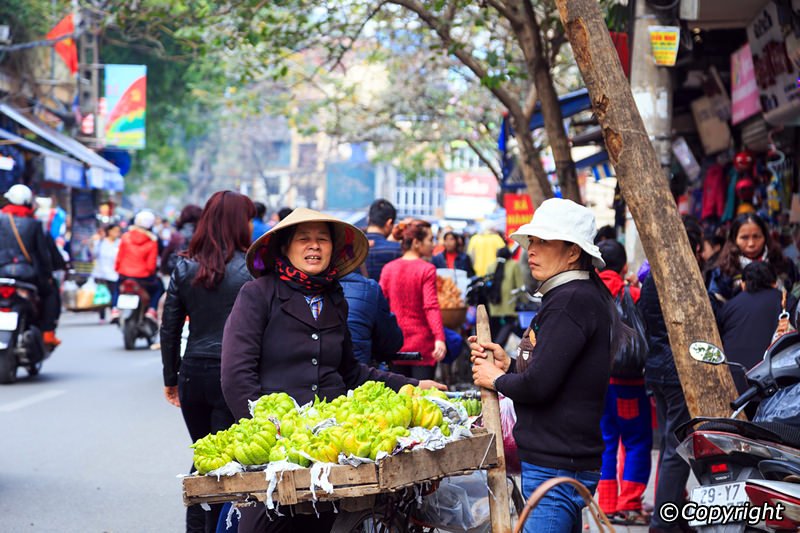
Hanoi Old Quarter
Hanoi Old Quarter is a fascinating area of the city where visitors can enjoy many fine examples of colonial architecture packed along narrow streets. Endless packs of scooters, motorbikes, bicycles and cars weave around traders selling fruit and souvenirs and narrow shop houses sell delicious Vietnamese food for pennies.
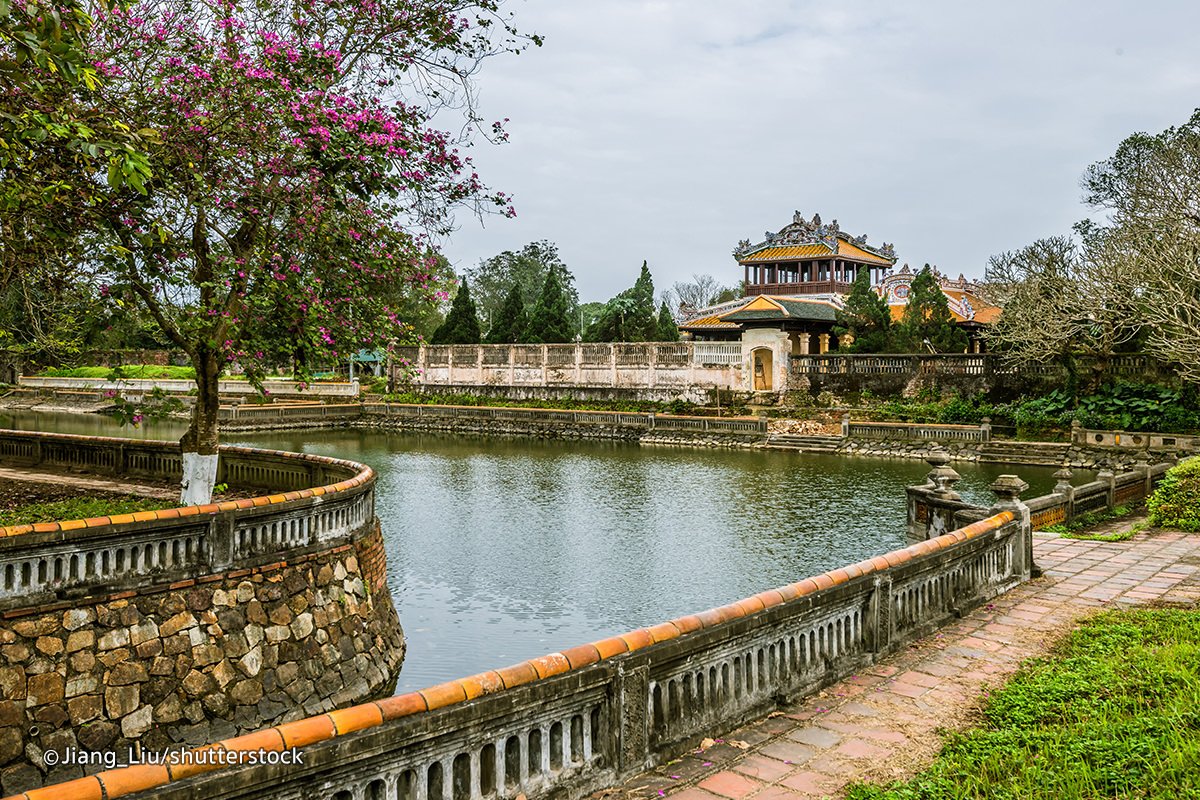
Imperial Citadel of Than Long
The Imperial Citadel of Thang Long is an intriguing relic of Vietnam’s history and, signifying its historical and cultural importance, is now a UNESCO World Heritage Site. Standing 40 metres high, the central flag tower is the most recognizable feature of the Imperial Citadel and is often used as a symbol of Hanoi. This was the centre of ancient Hanoi and served as the political centre for eight centuries. Located in Ba Dinh, the Imperial Citadel of Thang Long is close to many other tourist attractions.
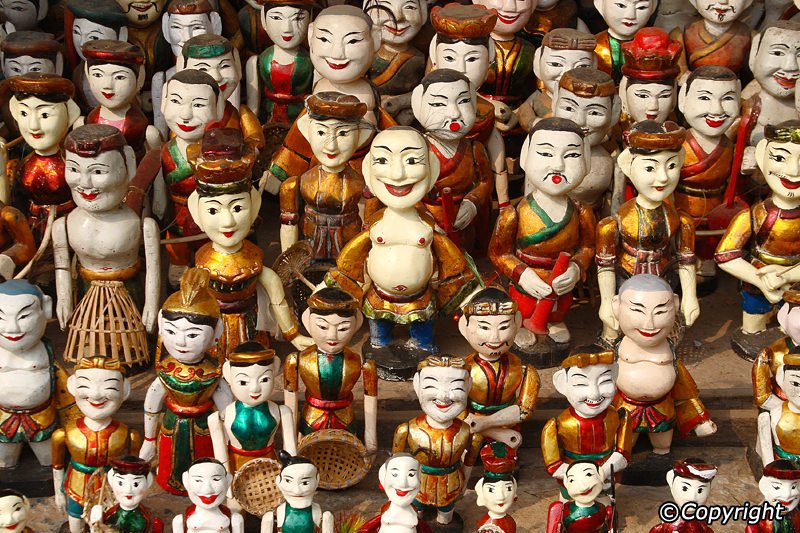
Water Puppet Theatre
The ancient art form of water puppetry has a long association with Hanoi and there are several theatres where guests can enjoy this uniquely Vietnamese take on Asia’s puppet tradition.
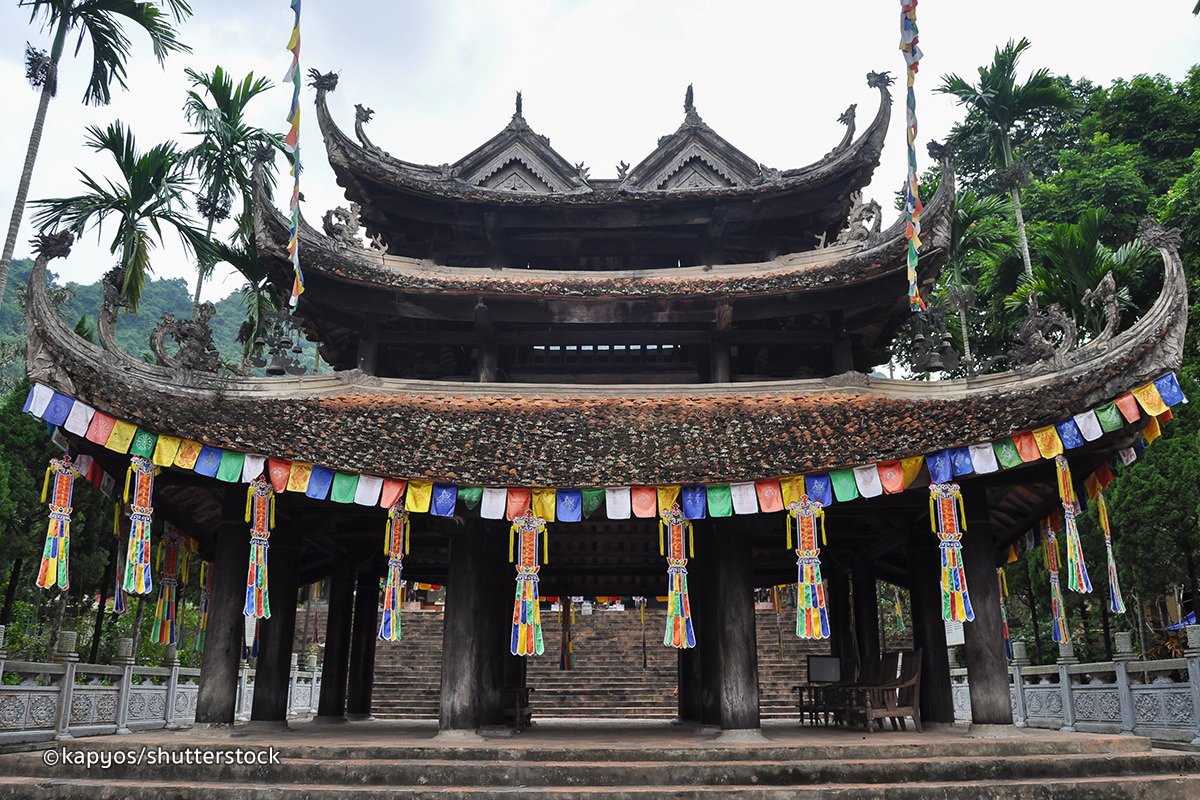
The Perfume Pagoda
The Perfume Pagoda is a dramatic temple complex believed to have been first built in the 15th century. This series of Buddhist temples are built into a mountain range in a maze of alleyways carved into the rock with rich forests and flowing streams all around.
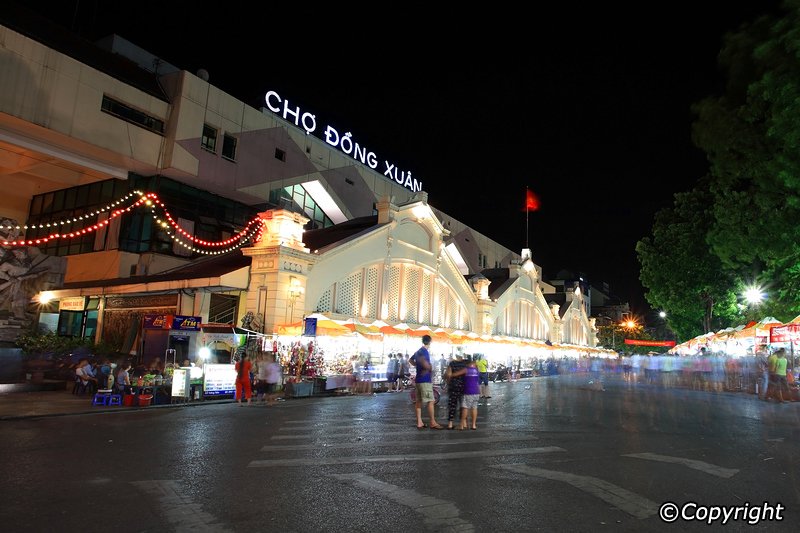
Dong Xuan Market
Dong Xuan Market is the largest of its kind in Hanoi. Housed within a four-storey Soviet-style building, this sprawling complex offers an extensive collection of fashion, apparel and souvenirs at some of the best prices in the city. Even if you’re not interested in printed T-shirts or cheap sunglasses, it is still fascinating to see the comings and goings of the local traders, and there is a wet market on the ground floor where the sights and smells of exotic produce assault the senses.
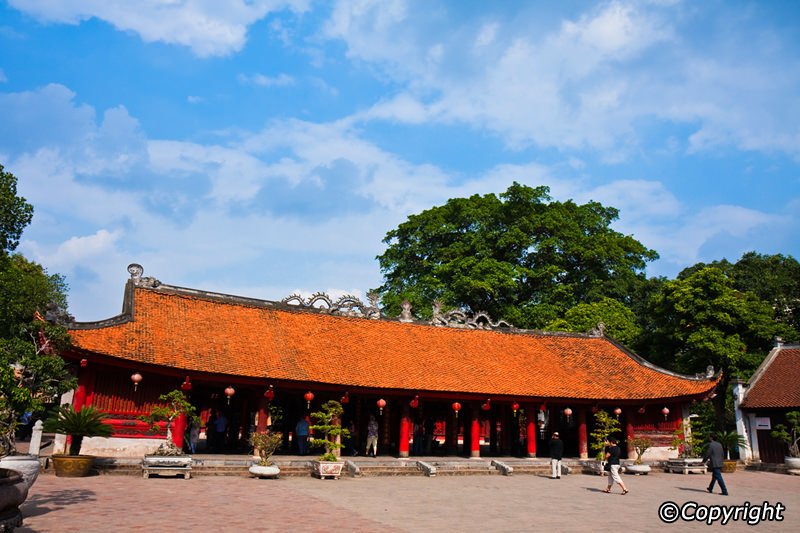
Temple of Literature
The Temple of Literature is a charming temple complex in the centre of Hanoi that was originally built to be a centre of learning dedicated to the Chinese sage and scholar Confucius. Over the proceeding 1000 years many more buildings have been added and beautified o that now this large area is filled with ornate pavilions, shrines, and a rich garden.
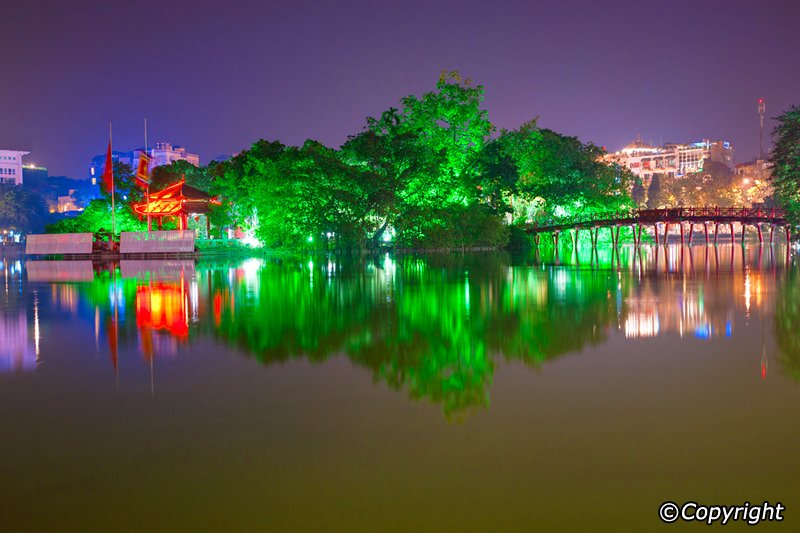
Hoan Kiem LAke and Ngoc Son
Hoan Kiem Lake (Turtle Lake) is a central feature of Hanoi and is a popular hangout spot throughout the day with locals and tourists. Ngoc Son Temple sits on a small island in the centre of the lake and linked by a bridge, makes a beautiful background for a few photos.
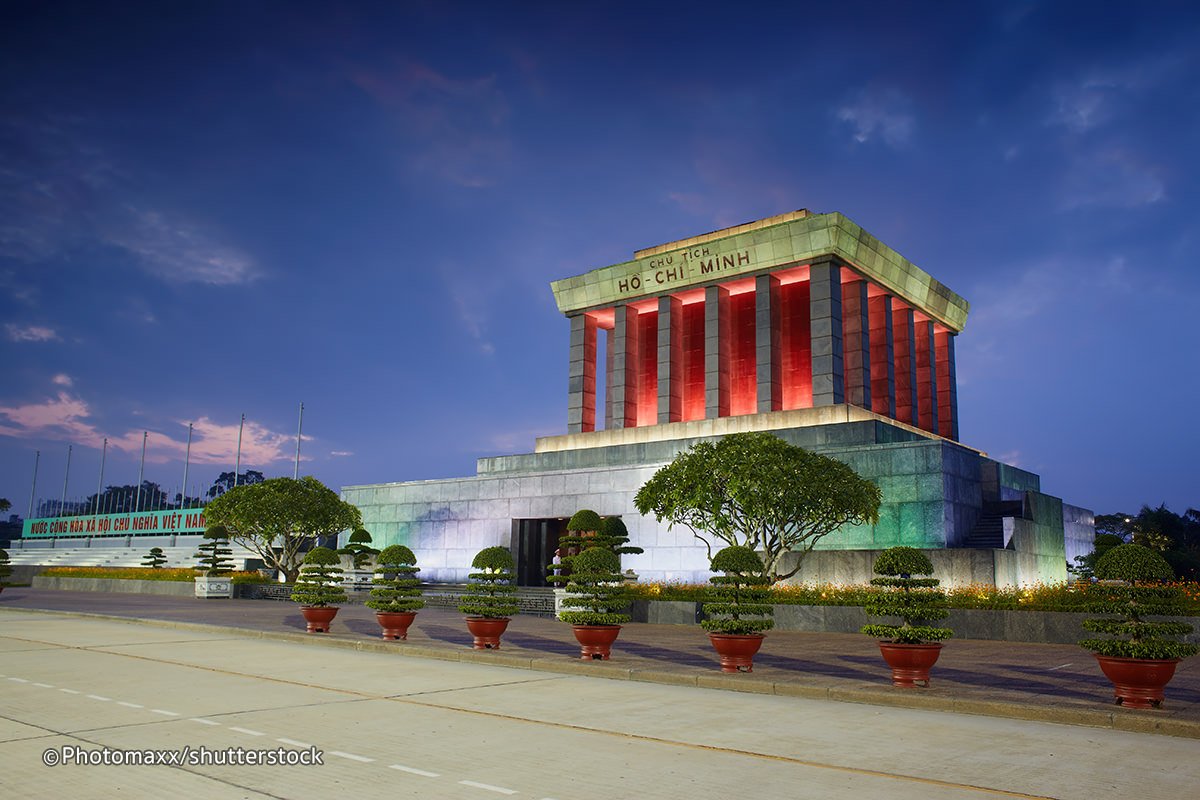
Ho Chi Minh Mausoleum
Ho Chi Minh has left an indelible mark on Vietnamese history and he is revered in Hanoi as the country’s greatest leader. Nicknamed ‘Uncle Ho’ by locals, his preserved body is now laid to rest in a glass case in the Ba Dinh area of Hanoi.
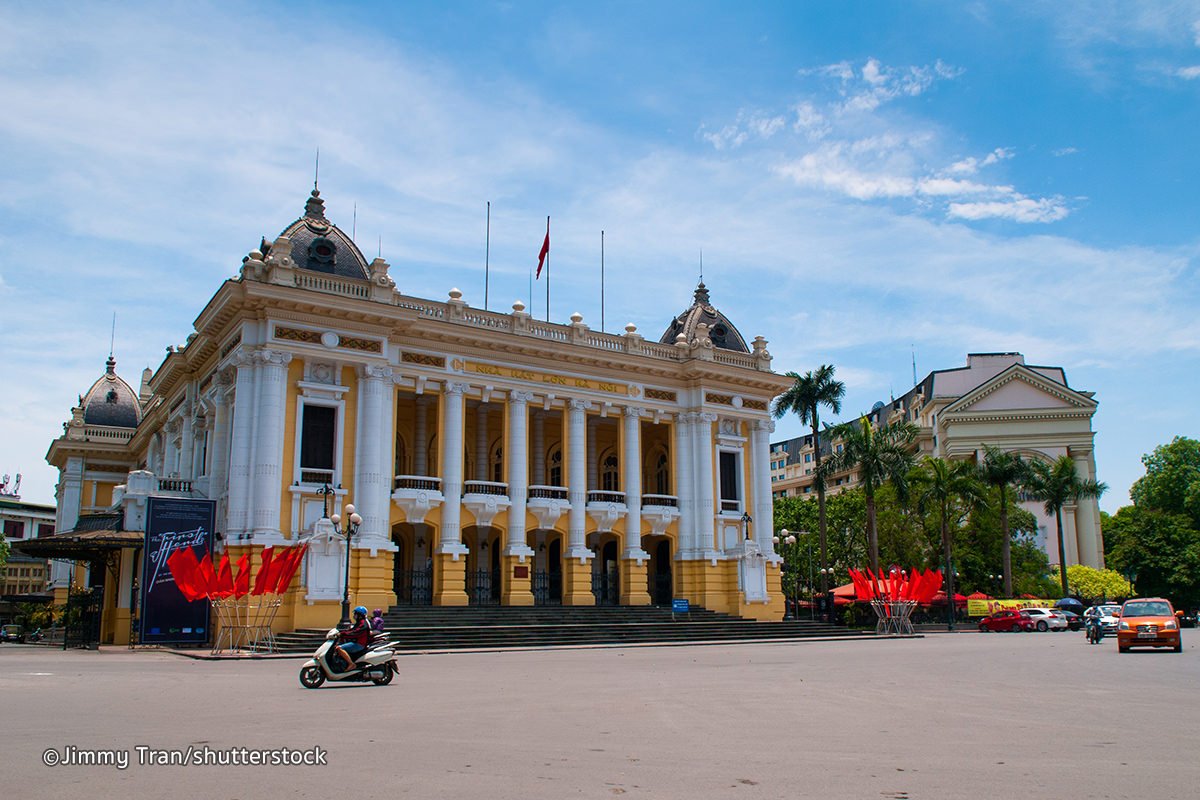
Hanoi Opera House
Hanoi Opera House, set in the heart of the French Quarter, is arguably one of the most elegant buildings in all of Hanoi. Built in 1911 and modelled after the Paris Opera House, this historical landmark exudes Parisian charm from its ivory-toned columns, ornate balustrades and Gothic domes.
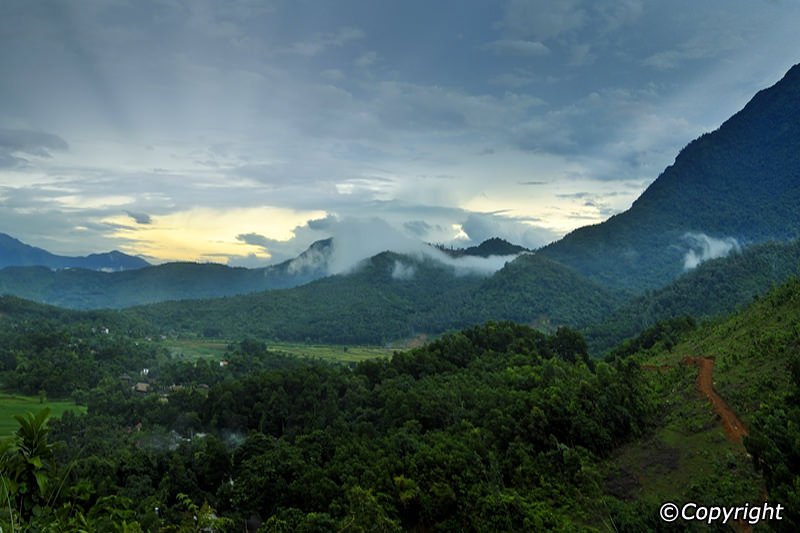
Ba Vi National Park
Ba Vi National Park is a nature reserve of stunning beauty located around two hours (48km) from downtown Hanoi. Famous for its three-peaked mountain that juts steeply up into the sky and is often topped by cloud, Ba Vi National Park has dramatic scenery and a diverse range of jungle plants and animals.
Vietnam Sightseeing
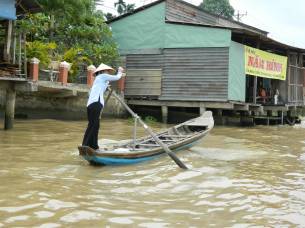
The Mekong Delta
The Mekong Delta in south-east Vietnam is one of the world’s greatest river regions. The delta is a hive of activity and serves as a crucial transport and agricultural hub. Known as the ‘rice bowl of Vietnam’, it has lush rice paddy fields and colourful fruit orchards, enchanting villages and bustling floating markets. Life thrives on the delta, which is home to hundreds of species of animals and fish, not to mention its human inhabitants. Maintaining a very traditional way of life, the locals have adapted well to life on the water, travelling, fishing, trading and even sleeping on their sampans and boats. Discover the magic of the Mekong Delta aboard a traditional sampan boat or travel in comfort on an overnight ‘Bassac’ rice barge cruise and barter at the floating market in Can Thou.
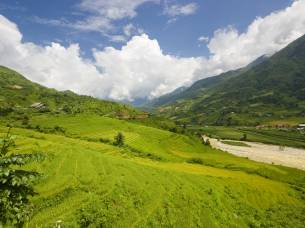
Sapa
Located 1,500m above sea level, Sapa is a former French hill station, nestled in the rugged Tonkinese Alps and surrounded by lush valleys and verdant rice paddy fields. Here, farmers in conical hats plough the fields with water buffalo and local ethnic minority groups (such as H’mong and Dzao) maintain their age old traditions and way of life, including their own language and wearing intricately embroidered traditional clothing. Sapa is an overnight train journey north west from Hanoi, into the mountains near the Chinese border. Cooler than the city, Sapa is ideal for hiking in pristine scenery and visiting the ethnic minority villages. Depending on your fitness level you can arrange anything from gentle walks to challenging hikes.
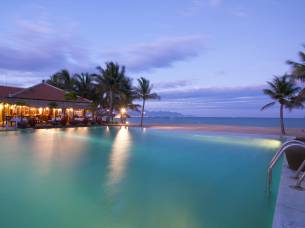
Nha Trang
Considered to be the beach capital of Vietnam, Nha Trang is famed for its sweeping stretch of beautiful beach with offshore islands adding to the appeal. The turquoise waters offer fantastic diving opportunities while the imposing mountains that loom over the city make for a stunning setting. The beachfront offers plenty to keep visitors entertained with various parks and sculpture gardens, high rise resorts, stylish restaurants and sophisticated bars. With its coastal location, the city, unsurprisingly, has a wealth of seafood dining options. Nha Trang is something of a party town with great nightlife though for those who prefer a little culture, century-old Cham towers still stand in the centre of town.
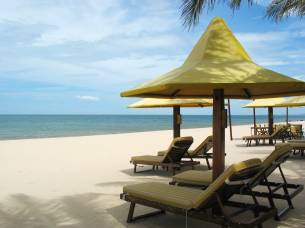
Mui Ne
Mui Ne is a beautiful beach resort built around a charming fishing village. The sea-front resorts are low-rise with landscaped gardens, making Mui Ne a developed yet attractive beach complex. With a reputation as the adrenaline capital of southern Vietnam, Mui Ne is a popular surf destination between August and December when the waves arrive, while the gales from October to April attract the wind and kite surfers. The famous red and white sand dunes are a perfect photo opportunity as the changing winds sculpt the vivid sands while for the more adventurous sand-sledding is possible. A scenic trek to Fairy Spring follows the stream from the sea all the way to its source, while the 9th century Cham tower affords sweeping views of Mui Ne town.
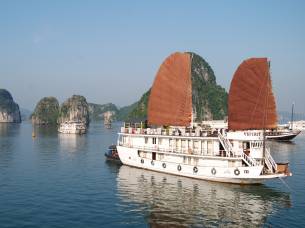
Junk-Boat-on-Halong-Bay
Halong Bay is the jewel in Vietnam’s scenic crown. Widely considered to be one of the natural wonders of the world, this UNESCO World Heritage listed region is simply breathtaking. Thousands of karst limestone and jungle covered peaks and isles, rise dramatically out of the emerald waters of the bay. On the famous islands of Halong Bay, caves, hidden coves and beautiful beaches await discovery and the towering peaks provide some of the best rock climbing in South East Asia. The ideal way to explore Halong Bay is onboard a traditional Junk boat which can either be privately chartered or shared. Enjoy a cruise on a Junk and explore remote offshore islands, kayak and swim in the warm waters and capture an incredible sunset over a panorama of peaks.
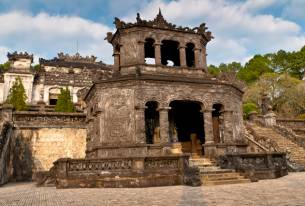
Hue
Situated right in the middle of Vietnam, Hue is a stunning, imperial city brimming with a rich history and cultural heritage. Much like Beijing, Hue has its own Forbidden City, which is now in ruins because of the Vietnamese-American war and was inscribed as a UNESCO World Heritage site in 1993. Despite being just a shadow of their former glory, exploring the imperial citadel and tombs is an amazing experience and gives great insight into Vietnam’s turbulent past. Another historical site worth visiting is the Thien Mu Pagoda, which is the home to numerous young monks in training and has excellent views over the picturesque Perfume River. If that sparks a desire for some more natural beauty, grab a bike from one of the many rental places and go on a leisurely cycle through the lush rice paddies that surround the city.
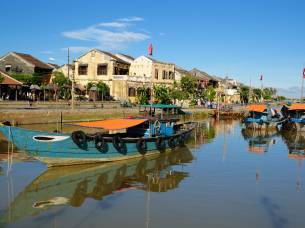
Hoi-An
UNESCO Listed Hoi An is a former merchant trading post, famed for its beautifully preserved architecture, ancient cobbled streets and picturesque riverside location. The influence of past traders from Japan, China and Europe is evident in Hoi An, whose backstreets are lined with large, attractive merchant houses and pagodas. Today, Hoi An is awash with art stalls and markets, fabulous restaurants and cooking schools, not to mention streets literally lined with tailor-shops, all catering for the town’s thriving tourist trade. Nevertheless Hoi An still manages to retain its traditional character and charm and with pedestrian streets devoid of the usual cacophony and chaos of traffic, Hoi An’s quiet and relaxed pace of life adds to its effortless appeal.
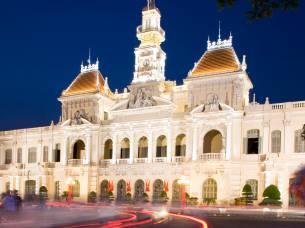
Ho-Chi-Minh-City
Ho Chi Minh City is the vibrant, cosmopolitan hub of Vietnam and the original ‘Pearl of the Orient’. In this thriving metropolis, old and new collide. Gleaming sky scrapers, expensive restaurants, bars and designer shops, stand in stark contrast to the ancient pagodas, colonial era landmarks, ramshackle markets and wandering monks. Ho Chi Minh City is a feast for the senses, fast paced, colourful, loud and utterly mesmerising. Whilst it hurtles head first into the 21st Century, Ho Chi Minh City is a city with a compelling and unforgettable history. Key sites such as the historic Reunification Palace, the Revolutionary Museum and the War Remnants Museum provide a fascinating insight into the Vietnam War and the historic fall of Ho Chi Minh City in 1975. 70kms north west of the city, the historic Cu Chi Tunnels which played such a vital role in the war, are another highlight.
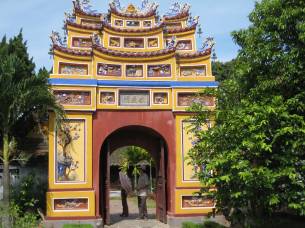
Hanoi
Known as the ‘Paris of the Orient’, Hanoi is the gracious capital and cultural heart of Vietnam. Located on the northern Red River Delta, Hanoi is dotted with scenic lakes and leafy boulevards. It is a city of fascinating contrasts – where Parisian chic meets Asian vigour. Brightly coloured pagodas and crumbling 11th century buildings, stand alongside modern high rises and grand French colonial style villas. Locals practice graceful tai chi in the parks, whilst cyclos and mopeds weave dangerously through city streets. Age old customs are retained in the winding streets and alleys of the Old Quarter and the city’s French colonial legacy remains evident. The pace of life in Hanoi is much more relaxed that frenetic Ho Chi Minh in the south and whilst it has developed over recent years and embraced tourism, it retains a refreshing ‘old world’ charm.
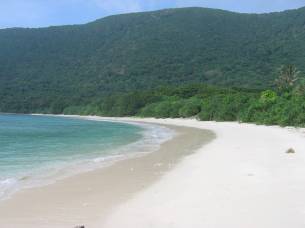
Con-Dao-Island
A chain of 15 islands and islets, Con Dao is one of Vietnam’s star attractions. With stunning deserted beaches, coral reefs, scenic bays and thick forests, the islands are the perfect place to sit back and relax or make the most of nature with trekking through mangroves, diving around the islands and wild-life watching. 80% of the islands’ land mass forms the Con Dao National Park which protects sea turtle nesting grounds. Nesting season is from May to September and visitors can spend a night at a conversation site on one of the islands to see the turtles in their natural habitat. Con Son island is the main hub and has so far avoided mass tourism making it a relatively untouched paradise with access to the surrounding islands and their idyllic beaches.